AUDI 6L109022K Engine Motor Ddhaa Cylinder Head 2.0
fits make: Audi. year: 2019–2020.
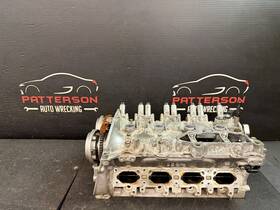
( Manufacturer Part Number: 6L109022K ), ( Model: AUDI-A3 ), ( Interchange: 306-10255b ), ( Type: Cylinder Head ), ( Id: 298fd767-cb25-4dd9-ad91-5718d1204bad ), ( Country Of Origin: Germany ), ( Partout Id: A-125105016 )
Review AUDI 2.0 Engine Motor Id Ddhaa Cylinder Head fits A3 2019–2020
The **Audi 6L109022K (2019 2020) 2.0L TFSI Engine Cylinder Head (DDHAA)** is a precision-engineered component central to the performance and reliability of Audi s high-efficiency turbocharged gasoline direct-injection (TFSI) powertrain, specifically designed for the third-generation A3 (8Y) lineup. This cast aluminum cylinder head, manufactured to Audi s exacting standards, features a sophisticated architecture optimized for both power output and thermal efficiency. The head incorporates a **dual overhead camshaft (DOHC) design**, housing four valves per cylinder two intake and two exhaust operated by a combination of hydraulic lifters and solid valve springs, ensuring smooth, responsive valve actuation under high-stress conditions. The intake valves are slightly larger than the exhaust to maximize airflow into the combustion chamber, while the exhaust valves are precision-machined to withstand the extreme temperatures generated by the turbocharged system, reducing the risk of warping or premature wear.
A defining feature of this cylinder head is its **integrated direct fuel injection system**, where high-pressure fuel is sprayed directly into the combustion chamber for optimal atomization and combustion efficiency. This design minimizes fuel waste and improves throttle response, contributing to the engine s impressive power-to-weight ratio. The cylinder head also incorporates **variable valve timing (VVT)** on both the intake and exhaust camshafts, allowing Audi s engineers to dynamically adjust valve lift and timing for peak performance across the RPM spectrum whether during low-speed cruising or high-revving acceleration. This adaptability enhances fuel economy, reduces emissions, and delivers a more engaging driving experience.
Thermal management is another critical aspect of this component, as the cylinder head must dissipate the intense heat generated by the turbocharged combustion process. The head is equipped with **integrated cooling passages** and a robust water jacket system, ensuring even heat distribution and preventing localized hotspots that could compromise structural integrity. Additionally, the **high-pressure fuel rail and injector mounting points** are strategically positioned to minimize stress on the head during operation, while the **spark plug bores** are precision-bored to accommodate the high-energy ignition coils required for efficient combustion. The use of **high-grade aluminum alloy** in the casting process provides an optimal balance of strength, weight, and thermal conductivity, further enhancing durability and performance.
For maintenance and repair purposes, the **6L109022K cylinder head** is designed with accessibility in mind, featuring a modular layout that allows for easy removal and replacement of individual components such as the camshafts, rocker arms, and valve springs without necessitating the full disassembly of the engine. Audi s engineering also incorporates **sealed oil passages** to prevent leaks, ensuring that lubrication remains consistent even under high-pressure conditions. This head is compatible with the **Audi 2.0L TFSI engine (BSE, BSEA, BSEB variants)**, commonly found in the **A3 8Y (2016 2020), A4 B9, Q3 5P, and TT 8N models**, making it a critical replacement part for both original equipment and aftermarket applications. Whether used in a routine service interval or as a direct replacement for a failed head, this component upholds Audi s reputation for precision engineering, delivering the reliability and performance expected from one of the brand s most advanced powertrains.
### **Pros and Cons of buying a Audi 6L109022K (2019-2020 A3 2.0 TFSI DDHA 4-Cylinder Engine with Cylinder Head)**
#### **Pros:**1. **Proven Reliability** The 2.0 TFSI engine (EA888 3rd generation) is well-engineered and has a strong track record in Audi and Volkswagen Group vehicles. It is known for durability when maintained properly.
2. **High Performance** The DDHA variant (Direct Injection, High-Pressure Fuel System, and Dual-VANOS) delivers strong power output (around 204 hp and 258 lb-ft torque) and smooth acceleration, making it suitable for daily driving and light performance use.
3. **Efficient Fuel Consumption** Compared to older turbocharged engines, this generation offers better fuel efficiency, typically around **20-25 MPG combined**, depending on driving conditions.
4. **Turbocharger Efficiency** The Garrett turbocharger is well-matched to the engine, reducing lag and providing responsive power delivery without excessive stress on the internals.
5. **Commonality with Other VW Group Engines** Since this engine is part of the EA888 family, parts and labor costs are widely available, making repairs and maintenance more affordable than some Audi-specific engines.
6. **Good Aftermarket Support** Tuning options (e.g., Stage 1-2 tunes) are widely available, allowing for power increases without major mechanical changes.
7. **Modern Fuel Injection & Emissions Compliance** The engine meets Euro 6d-TEMP emissions standards, ensuring compliance with modern regulations and reducing the risk of early failure due to emissions-related issues.
---
#### **Cons:**1. **Carbon Buildup Risk** Direct injection (DI) engines like this one are prone to carbon deposits on intake valves and combustion chambers, which can lead to misfires, rough idle, and reduced performance over time. Regular valve cleaning (every 60,000 80,000 miles) is recommended.
2. **Oil Consumption Concerns** Some owners report increased oil consumption, particularly in higher-mileage examples. This can be due to worn piston rings or valve seals, requiring more frequent oil top-ups or potential engine work.
3. **Turbocharger Reliability** While generally robust, turbochargers can fail prematurely if the engine is tuned aggressively or if maintenance is neglected (e.g., oil changes with low-quality oil or improper cooling).
4. **Water Pump & Timing Belt Issues** The 2.0 TFSI engines share the same water pump and timing belt system as other EA888 engines. The water pump can fail, leading to overheating, and the timing belt must be replaced every **60,000 90,000 miles** (or as specified in the service manual).
5. **Coolant Leaks** The thermostat housing and coolant hoses can develop leaks over time, requiring attention to prevent overheating.
6. **Electrical & Sensor Failures** Like many modern engines, this one relies on numerous sensors (e.g., MAF, crankshaft position, camshaft position). Failures in these components can trigger check engine lights and require diagnostics.
7. **Higher Repair Costs Than Mass Market Engines** While parts are available, Audi-specific components (e.g., injectors, turbochargers, sensors) can be more expensive than those for a Volkswagen or Skoda with the same engine.
8. **Potential for Carbon Buildup in Intake** The plastic intake manifold can retain carbon deposits, restricting airflow and causing rough idle or hesitation. Cleaning or replacing it may be necessary.
---
### **Conclusion:**The **Audi 6L109022K (2019-2020 A3 2.0 TFSI DDHA)** is a **solid, high-performance engine** that offers a good balance of power, efficiency, and reliability when properly maintained. It is **not inherently flawed**, but it requires **attention to key maintenance areas** particularly **carbon cleaning, oil consumption monitoring, timing belt/water pump service, and turbocharger health** to avoid costly failures.
If you are **willing to invest in regular maintenance** (especially valve cleaning and oil changes with high-quality oil), this engine can provide **many years of trouble-free service**. However, if you **prioritize low-maintenance engines**, you may want to consider alternatives like the **2.0 TDI (diesel)** or a **non-turbocharged 1.4 TSI** (though with less power).
---
### **Recommendation:** - **Buy if:**- You are prepared for **regular maintenance** (valve cleaning, oil changes, timing belt service).
- You want a **high-performance, fuel-efficient engine** with strong aftermarket support.
- You plan to **keep the vehicle for at least 100,000 miles** with proper care.
- You are comfortable with **potential carbon buildup and oil consumption monitoring**.
- **Avoid if:**- You **neglect maintenance** and expect a "set-and-forget" engine.
- You are on a **tight budget** for repairs, as some issues (e.g., turbo failure, carbon cleaning) can be costly.
- You prefer **simpler, less high-tech engines** with fewer failure points.
**Final Verdict:** This engine is **a good choice for an Audi A3 owner who is proactive about maintenance**, but it is **not the most forgiving** in terms of neglect. If you find a **well-maintained example with full service records**, it can be an excellent purchase. Always **inspect for carbon buildup, oil consumption, and turbo health** before buying.
Details:
Redeliver, limited access fees. Model: AUDI A3. Cylinder Head. If listing states free shipping, shipping is within the 48 only.
Also, any tests that can possibly be done prior to installation should completed at time. Over 600,000 parts on inventory. Over 6,000 vehicles in the yard and more arriving daily. Local delivery available to local businesses only.
part #: 6l109022k prices
- $400.00-$519.81
specifications cylinderheapar:
- for makes: Audi
- for years: 2019-2020
- mpn: 6l109022k
- model: Audi-a3
- interchange: 306-10255b
- type: Cylinder Head
- id: 298fd767-cb25-4dd9-ad91-5718d1204bad
- country of origin: Germany
- partout id: A-125105016
payments cylinderheapar:
- credit card: Discover
- other
- wallet: Google-pay
offer cylinderheapar:
- sold: 0
- availability: In Stock
- quantity: 1
- started: April 28, 2026
- options: Ship-to-home
returns cylinderheapar:
- time: 30 Days
- policy: Returns Accepted
- paid by: Buyer
seller cylinderheapar:
- rating: 99.9%
- # reviews: 33794
- city: Cochranton, Pennsylvania
shipping cylinderheapar:
- cost: $109.99
- service: Standard
- class: Standard
- transit: 2-6 Days
- type: Fixed
general cylinderheapar:
- Car Truck Parts Accessories > Engines Engine Parts > Cylinder Heads
- condition: Used
Audi 6L109022K Is Similar To:
- 06k103063an Audi Golf Gti Engine Cylinder Head Cntc Cnta (47.1% similar) I can not stress enough, am selling test equipment...(December 15th, 2018)
- 077103373aeas Audi Quattro Oem Right Cylinder Head Aeas Tshelf (32% similar) Should fit audi a8 97-99, and possibly other applications. 2 v8 1999 audi a8 quarto. You are viewing a good, used oem right cylinder head from please match our part number with yours to ensure fitment...(September 21st, 2018)
- 077103373aeat Audi Quattro Oem Left Cylinder Head Aeat Tshelf (32.3% similar) 2 v8 1999 audi a8 quarto. Should fit audi a8 97-99, and possibly other applications. Please match our part number with yours to ensure fitment...(September 21st, 2018)
- 81017200 Ajusa For Audi Cylinder Head Bolt (34.3% similar) Part: 1997 -2001 prices...(November 13th, 2018)
- 81051700 Ajusa For Audi Cylinder Head Bolt (34.3% similar) Part: 2004 -2005 prices...(November 15th, 2018)
- 5-cylinder 204-4704 Arp Vw Audi 20v 12pt Undercut Head Stud Kit (20.6% similar) Store trusty...(April 8th, 2016)
- Vw Liquid Chemical Head Gasket Audi (22.4% similar) Audi, VW 75ML chemical gasket...(February 27th, 2019)
- 06e103404 Audi Fsi Cylinder Head Right Complete (36.4% similar) J parts are used therefore, scuffs, scratches, and marks to be expected. Removed from 2013 audi a7 audi q7 2017 fs cylinder head right complete. Condition is used...(February 28th, 2020)
- 034 108 Z054 Audi Vw Media Blaster Cylinder Head Adapter (40.3% similar) Part: 034MOTORSPORT prices...(September 9th, 2021)
- Volkswagen 03c103063cl Engine Cylinder Head With Valves For 2008-2016 Vw Jetta Golf Audi A1 A3 (33.1% similar) Engine cylinder head w/ valves for 2008 -2016 Volkswagen VW Etta golf audi a1 A3. Product function. 100% brand new and high quality,durable. Fits for the reference. Cc 2012 -2016 1.4 RSI coma cathode 118KW 160PS. Please compare with your original one before purchasing. The compatibility is just ...(October 5th, 2023)
- Eccpp P05839ar706a Fits 98-05 Audi A4 A6 S4 Volkswagen Passat 2.7l 2.8l V6 Dohc 30v Head Bolts Kit (26.1% similar) Please refer to the listing pictures for an accurate of parts included in kit. Applications. The images shown are not the actual item and for your reference only. It does not come with any installation instructions...(November 12th, 2023)