KIA 542G53LA0A Right Cylinder Head 3.3
fits model: Turbo, Stinger. make: Kia. year: 2018–2023.
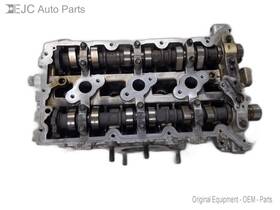
( Manufacturer Part Number: 542G53LA0A ), ( Model: STINGER ), ( Fitment Type: Direct Replacement ), ( Mounting Hardware Included: No ), ( Manufacturer Warranty: 30 Days ), ( Type: Right Cylinder Head ), ( Year: 2020 ), ( Engine Size: 3.3 ), ( Valvetrain Iteration: Dohc ), ( Transmission Type: Automatic ), ( Location Id: W501 ), ( Engine Id: 16939 )
Review KIA Right Cylinder Head 3.3 fits STINGER TURBO 2018–2023
The **Kia 542G53LA0A right cylinder head** is a precision-engineered component designed specifically for the **2018 2023 Hyundai Stinger 3.3L Turbocharged (T-GDi) engine**, serving as a critical part of the high-performance internal combustion system. This right-hand cylinder head is meticulously crafted from high-grade cast aluminum, ensuring optimal heat dissipation while maintaining structural integrity under the demanding conditions of forced induction. The head features a **dual overhead camshaft (DOHC) design**, housing four valves per cylinder two intake and two exhaust each operated by advanced hydraulic valve lifters for smooth, consistent performance without the need for manual adjustment. The intake ports are contoured to maximize airflow efficiency, while the exhaust ports are strategically shaped to optimize scavenging and reduce backpressure, enhancing both power output and responsiveness. Integrated into the head are **four spark plug bores**, precisely positioned for optimal combustion, along with **high-pressure fuel injectors** that deliver precise fuel metering to each cylinder for improved efficiency and performance. The head also incorporates **turbocharger wastegate control** mechanisms, allowing for seamless boost management and ensuring the engine operates within its optimal power band. Additionally, the **camshaft timing chain drive system** is integrated into the head design, ensuring synchronized operation with the crankshaft for reliable power delivery. This cylinder head is fully compatible with the **Stinger s 3.3L V6 turbo engine**, featuring a **variable valve timing (VVT) system** that dynamically adjusts camshaft timing for enhanced low-end torque and high-revving performance. Built to meet stringent emissions and durability standards, the **542G53LA0A** is a direct replacement part, ensuring a perfect fit with the original equipment manufacturer (OEM) specifications, including gasket surfaces, bolt patterns, and mounting points. Whether for a routine maintenance replacement or a performance upgrade, this cylinder head delivers the reliability and efficiency expected from Hyundai s advanced turbocharged powertrain technology.
Buying a replacement cylinder head for a 2018-2023 Kia Stinger 3.3L turbocharged engine (specifically the part number **542G53LA0A**) involves several considerations. Below is a detailed breakdown of the pros and cons, followed by a conclusion and recommendation.
---
### **Pros of Buying a New or Used Replacement Cylinder Head**
1. **Improved Performance and Reliability**
The cylinder head is a critical component that affects engine efficiency, power output, and longevity. A new or properly refurbished head ensures optimal airflow, combustion, and cooling, which can restore or enhance engine performance, especially in a turbocharged application where heat and pressure are significant factors.
2. **Prevents Further Engine Damage**
A failing cylinder head can lead to catastrophic issues such as blown head gaskets, coolant leaks, or even engine failure. Replacing it proactively avoids costly repairs down the line, such as warped heads, cracked blocks, or turbocharger damage from overheating.
3. **Compatibility and Warranty (If New)**
Purchasing a **new OEM or high-quality aftermarket** cylinder head (e.g., from a reputable supplier like **MagnaFlow, JE, or a Kia dealer**) ensures compatibility with the 3.3L GDI turbo engine. Some new parts may come with a limited warranty, providing peace of mind against manufacturing defects.
4. **Customization Potential**
If you re looking to modify the engine (e.g., for increased power), some aftermarket cylinder heads offer upgraded features like larger valves, improved porting, or high-flow designs. This can be beneficial for enthusiasts pushing the engine beyond stock limits.
5. **Resale Value Protection**
A well-maintained engine with a fresh cylinder head can improve the resale value of the Stinger, as potential buyers will be reassured about long-term reliability.
6. **Professional Rebuild Option**
If purchasing a **used or rebuilt head**, a reputable machine shop can restore it to like-new condition, including valve grinding, seat machining, and gasket surface preparation. This can be a cost-effective alternative to buying new.
---
### **Cons of Buying a Replacement Cylinder Head**
1. **High Upfront Cost**
A new OEM cylinder head for the 3.3L GDI turbo engine typically ranges between **$800 and $1,500**, depending on the supplier. Aftermarket options may be slightly cheaper but could compromise on quality or fitment. Labor costs for installation (including gasket replacement, torque specifications, and torque-to-yield bolts) can add **$500 $1,200**, depending on the shop.
2. **Potential for Counterfeit or Low-Quality Parts**
Buying from untrusted sources (e.g., eBay without verification, unknown online marketplaces, or salvage yards with questionable history) risks receiving a **counterfeit, mismatched, or damaged part**. This can lead to poor performance, leaks, or even engine damage if installed incorrectly.
3. **Complex Installation Process**
Replacing a cylinder head requires **specialized tools, expertise, and precision**. Improper installation such as incorrect torque, improper gasket seating, or failing to address underlying issues (e.g., warped block, faulty turbo) can void warranties and cause future problems. Many owners opt to have a **mechanic or Kia dealer perform the work**, increasing costs.
4. **Additional Required Work**
A cylinder head replacement often necessitates:- **Torque-to-yield bolt replacement** (if they were previously installed).
- **Head gasket replacement** (critical for sealing).
- **Valve adjustment or replacement** (if worn).
- **Coolant system flush** (to remove old coolant and prevent corrosion).
- **Turbocharger inspection** (if the engine was overheating before the head failure).
These extras can add **$300 $800** to the total cost.
5. **Diagnosing the Root Cause**
If the cylinder head failed due to **overheating, coolant leaks, or turbo issues**, addressing the underlying problem is essential. Skipping this step risks the new head failing again, leading to repeated expenses.
6. **Potential for Used Head Issues**
If purchasing a **used or rebuilt head**, there s a risk of:- **Hidden damage** (e.g., cracks, warping, or internal corrosion).
- **Incomplete refurbishment** (e.g., valves not properly reground, seats not resurfaced).
- **Mismatched parts** (e.g., incorrect bolts, gaskets, or torque specs).
Always verify the head s history and request documentation from the seller or machine shop.
7. **Time and Downtime**
The installation process can take **8 24 hours**, depending on the shop s workload. This means the Stinger will be out of commission for at least a few days, which may be inconvenient for daily drivers.
---
### **Conclusion**
Replacing a cylinder head on a 2018 2023 Kia Stinger 3.3L turbo engine is a **necessary repair for long-term reliability**, especially if the head is leaking coolant, misfiring, or showing signs of failure. The decision to buy new or used depends on budget, urgency, and trust in the source.
- **Buy new (OEM or high-quality aftermarket)** if:- You want **maximum reliability and warranty coverage**.
- You re willing to invest in **premium parts** for peace of mind.
- You plan to **modify the engine** and need a clean slate.
- **Buy used/rebuilt** if:- You re on a **tight budget** and trust a **reputable machine shop**.
- You ve **verified the head s condition** (no cracks, proper machining, correct gaskets).
- You re comfortable **inspecting the part** before purchase.
**Avoid cheap or untested parts**, as they can lead to **recurring failures, engine damage, or safety risks**. Always pair the replacement with **proper diagnostics** (e.g., checking for warped blocks, turbo health, and coolant system integrity).
---
### **Recommendation**
1. **Get a professional diagnosis** first to confirm the cylinder head is the sole issue (e.g., scan for misfires, check for coolant leaks, inspect the turbo).
2. **Purchase from a trusted source**:- **New OEM**: Order directly from **Kia dealers, MagnaFlow, or JE** for guaranteed compatibility.
- **Used/Rebuilt**: Buy from a **well-reviewed machine shop** that provides a **detailed inspection report** (e.g., valve clearance, head warpage, bolt condition).
3. **Budget for full restoration**:- Allocate **$1,500 $2,500** for parts and labor if going new.
- If using a rebuilt head, expect **$800 $1,500** for parts labor.
4. **Follow installation guidelines strictly**:- Use **new head gaskets** (OEM or high-quality aftermarket like **Fel-Pro or Fel-Pro Turbo**).
- Torque bolts **specifically to Kia s torque-to-yield specs** (usually 80 90 ft-lbs for the main bolts).
- Replace **coolant and flush the system** post-installation.
5. **Consider long-term maintenance**:- Monitor **coolant levels and temperature** post-repair.
- Get a **compression test** after installation to ensure proper sealing.
- If modifying the engine, consult a **performance tuner** to avoid overstressing the new head.
**Final Verdict**: A cylinder head replacement is a **wise investment** for the 3.3L turbo Stinger if done correctly. Prioritize **quality over cost** to avoid future headaches, and ensure the underlying engine issues (e.g., turbo, cooling) are addressed simultaneously.
Details:
Kia K900 2019 - 2020 3.3L. Genesis G80 2018 2022 3.3L. Genesis G70 2019 2025 3.3L. Kia Stinger 2018 2023 3.3L.
Please replace such items as required for proper installation.
part #: 542g53la0a price
- $499.95
specifications cylinderheapar:
- for models: Turbo, Stinger
- for makes: Kia
- for years: 2018-2023
- mpn: 542g53la0a
- model: Stinger
- fitment type: Direct Replacement
- mounting hardware included: No
- manufacturer warranty: 30 Days
- type: Right Cylinder Head
- year: 2020
- engine size: 3.3
- valvetrain iteration: Dohc
- transmission type: Automatic
- location id: W501
- engine id: 16939
offer cylinderheapar:
- options: Ship-to-home
- quantity: 1
- sold: 0
- availability: In Stock
- started: May 4, 2026
returns cylinderheapar:
- paid by: Buyer
- time: 30 Days
- policy: Returns Accepted
general cylinderheapar:
- condition: Used
- Car Truck Parts Accessories > Engines Engine Parts > Cylinder Heads
seller cylinderheapar:
- city: Denver, Colorado
- rating: 99.8%
- # reviews: 72597
shipping cylinderheapar:
- service: Standard
- type: Fixed
- transit: 3-7 Days
- cost: $0.00
- class: Standard
payments cylinderheapar:
- wallet: Apple-pay
- other
- credit card: Discover
Kia 542G53LA0A Is Similar To:
- Kia 306-59421a Cylinder Head 1.6l Fits Rio Ex 2010 2019 Oem (43.9% similar) Standard warranty...(October 14th, 2023)
- Ysg-auto 223113cga0 Head Gasket Bolt Set Fit Kia Sorento sedona Hyundai Santa Fe 3.3l V6 2013-2020 (25% similar) It does not come with any installation instructions. Postage fee is free for most area except remote or offshore. Please refer to the listing pictures for an accurate of parts included in kit. It displays as either free or a $ figure. 2014 -20 kia serenity sport utility 4-DOOR 3.3L. 2016 -20 kia ...(November 15th, 2023)
- Hyundai 38ry4-2gf00 2011-2016 And Kia 2.0l Turbo Cylinder Head Oem 262 (36.4% similar) For sale is an used oem part original equipment manufacturer that came stock with your car, it not aftermarket. Unless stated otherwise it may be a little dusty from storage use...(January 27th, 2024)
- Kia Ncmchn491 Cylinder Head 2.0l N-gdi 11 Nu-gdi 6 Dated 3 12 2021 (40% similar) Kia cylinder head 2.0L n-Gd #11 nu-Gd #6, dated 3/12/2021, no sticker or plate on head. Just NCMCHN491 DX cab BA imprinted on it. Not sure if new or remain...(February 11th, 2024)
- Hyundai 221002ggb5 Oem Cylinder Head For 2015-2020 Kia 2.4l Re1 (51.2% similar) Unless stated otherwise it may be a little dusty from storage use. Please be 100% sure this is the correct part for your vehicle. For sale is an used oem part original equipment manufacturer that came stock with your car, it not aftermarket...(April 19th, 2024)
- Kia 306-50514al Left Cylinder Head From 2013 Sorento 3.5 (59.3% similar) Fitment type: Santa Fe 10-12 3.5L, serenity 11-13 3.5L, please replace such items as required for proper installation...(May 4th, 2024)
- Kia 243502m800 2021 K5 Lxs 1.6l L4 Gasoline Engine Block Cylinder Head With Camshaft Oem (37.3% similar) Transmission: 8-SPEED automatic transmission. Body type: sedan 4-DOOR. Donor vehicle: 2021 kia k5 XLS...(May 14th, 2024)
- Kia 353422e500 Cylinder Head Bolt Kit From 2013 Soul 1.6 (49.2% similar) Please replace such items as required for proper installation...(August 3rd, 2024)
- Hyundai 22100-2g561 2011-2015 Kia 2.4l Gas Engine Motor Head Cylinder Oem 297f (31.4% similar) I will package it carefully and can ship for actual cost. Removed from a good running engine...(August 4th, 2024)
- Kia 306-59350bl Left Cylinder Head From 2008 Sportage 2.7 (57.1% similar) Byron 04-06 2.7L 6 cylinder, Sportage 05-06 2.7L, fitment type: Santa Fe 04-06 2.7L, please replace such items as required for proper installation. Sportage 07-10 2.7L 6 cylinder...(August 6th, 2024)
- Kia 306-50137 Cylinder Head 1.6l Fits 06-11 Accent 211924 (40.3% similar) Warren, mi 48091. No expedited shipping is available. 27365 mound rd...(August 7th, 2024)