TOYOTA 11101F9210 Cylinder Head 306-10402 To
fits model: Highlander. make: Toyota.
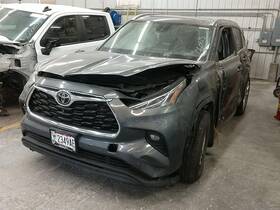
( Model: HIGHLANDR ), ( Part Type: Cylinder Head ), ( Ipn: 306-10402 ), ( Oe/oem Part Number: 1110129686 ), ( Superseded Part Number 2: 1110325041 ), ( Superseded Part Number 3: 11103f0080 ), ( Conditions And Options: 11101f9210, Ready To Ship ), ( Fitment Type: Direct Replacement ), ( Other: Seals And Gaskets Not Warrantied ), ( Genuine Oem: Yes ), ( Id: 5557618 )
Review TOYOTA Cylinder Head Ready To Ship fits HIGHLANDER
The **Toyota 306-10402 Cylinder Head** is a precision-engineered component designed specifically for the **Toyota Highlander (4th Generation, Model Years 2010 2014)** with the **11101F9210 engine code**, a 3.5L V6 powertrain. This high-performance cylinder head is crafted from durable **cast aluminum alloy**, ensuring optimal heat dissipation while maintaining structural integrity under demanding driving conditions. The head features a **dual overhead camshaft (DOHC) design**, complete with **four valves per cylinder (two intake and two exhaust)** arranged in a precise **pent-roof configuration**, which maximizes airflow efficiency for improved throttle response and power delivery. The **intake ports** are contoured to enhance airflow velocity, while the **exhaust ports** are engineered to reduce backpressure, contributing to a smoother exhaust pulse and better engine breathing. This cylinder head is equipped with **hydraulic valve lifters**, eliminating the need for manual adjustment and ensuring consistent valve clearance over time, reducing wear and preventing premature failure. The **combustion chambers** are meticulously shaped to optimize fuel-air mixture distribution, promoting more efficient combustion and reducing emissions while maintaining robust power output. Additionally, the head includes **integrated valve springs and retainers**, along with **titanium or high-strength steel valves** (depending on the application), which are designed to withstand the high temperatures and pressures generated during high-performance operation. For enhanced durability, the **valve guides and seats** are often coated with wear-resistant materials, such as **chrome or stellite**, to extend the lifespan of the components under heavy loads or modified engine conditions. Whether used in stock applications, light tuning scenarios, or as part of a performance upgrade, this cylinder head is built to deliver reliable performance, efficient cooling, and long-term reliability making it an essential component for maintaining or enhancing the power and longevity of the **11101F9210 Highlander engine**.
Buying a used or aftermarket Toyota 306-10402 cylinder head for a Highlander (11101F9210) engine can be a cost-effective solution if you need repairs or upgrades, but it comes with several considerations. Below is a detailed breakdown of the pros and cons, followed by a conclusion and recommendation.
---
### **Pros of Buying a Used or Aftermarket 306-10402 Cylinder Head**
1. **Cost Savings**
The most significant advantage is the price. A new OEM cylinder head for this engine can cost several hundred dollars, whereas a used or aftermarket unit is often significantly cheaper. This makes it an attractive option for budget-conscious buyers, especially for projects or high-mileage vehicles.
2. **Quick Replacement**
Purchasing a pre-built head eliminates the need for machining or extensive custom work, which can save time and labor costs. If you need a replacement immediately, a used or aftermarket head can be installed right away, assuming it s in good condition.
3. **Access to Specialty or Hard-to-Find Parts**
Some aftermarket suppliers specialize in rare or discontinued Toyota parts, including cylinder heads for older or less common engines. This can be useful if OEM parts are no longer available or take an unusually long time to source.
4. **Potential for Performance Upgrades**
Some aftermarket cylinder heads are designed with performance enhancements, such as improved airflow, stronger materials, or upgraded valve springs. If you re looking to modify your engine, a high-quality aftermarket head could offer better performance than an OEM replacement.
5. **Avoiding OEM Lead Times**
Toyota s supply chain can sometimes result in long wait times for OEM parts. A used or aftermarket head can bypass this issue, allowing you to proceed with repairs without delay.
6. **Compatibility with Modifications**
If you ve already modified your engine (e.g., turbocharging, forced induction, or high-flow intake/exhaust), a stock OEM head may not be sufficient. An aftermarket head designed for these applications could provide the necessary durability and airflow.
---
### **Cons of Buying a Used or Aftermarket 306-10402 Cylinder Head**
1. **Quality and Reliability Concerns**
Used cylinder heads may have hidden damage, such as cracks, warping, or worn valve guides/seats. Without a thorough inspection (including pressure testing, machining, or valve seat replacement), a used head could fail prematurely, leading to costly repairs down the line. Aftermarket heads, while often high-quality, may not match the precision or longevity of OEM parts, especially if they re not from a reputable manufacturer.
2. **Incompatibility Issues**
Not all aftermarket heads are drop-in replacements. Some may require modifications to the intake manifold, exhaust ports, or valve train components. If the head doesn t fit perfectly, it could lead to leaks, poor sealing, or even engine damage. Always verify compatibility with your specific engine build (e.g., displacement, camshaft, or intake/exhaust setup).
3. **Lack of Warranty or Return Policy**
Used heads are typically sold "as-is," meaning there s no warranty or guarantee of performance. Aftermarket heads may come with limited warranties, but these are often shorter than OEM warranties. If the head fails shortly after installation, you may be stuck with the repair cost.
4. **Potential for Poor Machining or Reconditioning**
Some used heads are sold after being "rebuilt" by unknown sources. If the machining wasn t done properly (e.g., uneven deck surface, improper valve seat angles, or incorrect valve guide clearance), the head could cause engine issues like overheating, oil consumption, or valve leaks. Always ask for proof of machining or inspect the head yourself if possible.
5. **Risk of Counterfeit or Low-Quality Parts**
The aftermarket is not always regulated, and some sellers may offer counterfeit or substandard parts. These can fail quickly, void warranties, or even damage your engine if they don t meet Toyota s specifications. Stick to well-reviewed suppliers with a history of quality parts.
6. **Additional Costs**
Even if you save on the head itself, you may incur extra expenses for:- **Installation labor** (if you don t have the expertise to install it yourself).
- **Gasket replacement** (new head gaskets are often required for a proper seal).
- **Valve seat machining or grinding** (if the used head requires this).
- **Valve spring and retainer upgrades** (if the head is for a high-performance application).
- **Testing and inspection** (e.g., leak testing, compression testing, or pressure testing).
7. **Resale Value Impact**
If you re concerned about the long-term value of your vehicle, installing a used or aftermarket head might reduce its resale value, especially if future buyers prefer OEM or high-quality aftermarket parts.
8. **Limited Customization Options**
Unlike OEM heads, aftermarket heads may not offer the same level of customization or support for rare modifications. If you re building a highly tuned engine, you might need to source specific parts or workarounds that aren t available with a generic aftermarket head.
---
### **Conclusion**
Buying a used or aftermarket 306-10402 cylinder head for your Toyota Highlander (11101F9210) can be a practical and cost-effective solution if you prioritize affordability and quick repairs. It s particularly useful for projects, high-mileage vehicles, or situations where OEM parts are unavailable or take too long to order. However, the risks such as quality inconsistencies, compatibility issues, and hidden damage make it a gamble unless you re thorough in your research and inspection.
Aftermarket heads can offer performance benefits and are ideal for modified engines, but they require careful selection to ensure they meet your engine s needs. Used heads can be a good deal if you re willing to invest time in verifying their condition, but they come with no guarantees.
---
### **Recommendation**
1. **If you need a replacement for a stock engine and want reliability:**- **Opt for an OEM or high-quality aftermarket head** from a reputable supplier (e.g., Toyota Parts, JE, or Summit Racing). These will have better warranties and are less likely to cause issues.
- **Budget for professional machining** if the head requires grinding or valve seat replacement. This ensures a proper fit and prevents leaks or performance issues.
- **Consider a used head only if you can inspect it thoroughly** (look for cracks, warping, and signs of wear) or if you have access to a trusted mechanic to verify its condition.
2. **If you re modifying your engine (e.g., forced induction, high RPM, or turbocharging):**- **Choose an aftermarket head designed for performance**, such as those from companies like **JE, Scat, or HKS**. These are built to handle higher stresses and often include upgraded materials.
- **Ensure compatibility with your camshaft, intake, and exhaust** to avoid airflow restrictions or mechanical issues.
- **Factor in additional costs** for supporting modifications (e.g., upgraded valve springs, stronger retainers, or custom porting).
3. **If you re on a tight budget and the engine isn t heavily modified:**- **Buy a used head from a trusted source**, such as a junkyard with a good reputation or an online marketplace with seller ratings. Always request photos and a detailed description of its condition.
- **Have a mechanic inspect it** before purchase to check for cracks, warping, or internal damage.
- **Be prepared for extra costs** (e.g., new gaskets, machining, or labor) to ensure the head functions correctly.
4. **Avoid if:**- You re unsure about the head s history or condition and can t verify it.
- You re not comfortable with the installation process or lack access to proper tools.
- The head is being sold without any documentation or warranty.
**Final Verdict:**For most stock or lightly modified Highlander engines, **a high-quality aftermarket or OEM cylinder head is the safest and most reliable choice**, even if it costs more upfront. Used heads can be a good option if you re diligent about inspection and willing to invest in professional work, but they should be approached with caution. If you re pushing the engine s limits (e.g., with forced induction), prioritize a performance-rated aftermarket head to avoid premature failure. Always weigh the cost savings against the potential risks to make the best decision for your specific situation.
Details:
GRAND HIGHLANDER 24 2.4L. Cylinder Head For Highlander 11101F9210 Ready To Ship!, Notes: 11101F9210,READY TO SHIP!, Mileage: Unknown Miles. Boxes not allowed. HIGHLANDER 23-25 2.4L.
part #: 11101f9210 prices
- $300.00-$669.99
specifications cylinderheapar:
- for models: Highlander
- for makes: Toyota
- model: Highlandr
- part type: Cylinder Head
- ipn: 306-10402
- oe/oem part number: 1110129686
- superseded part number 2: 1110325041
- superseded part number 3: 11103f0080
- conditions and options: 11101f9210, Ready To Ship
- fitment type: Direct Replacement
- other: Seals And Gaskets Not Warrantied
- genuine oem: Yes
- id: 5557618
offer cylinderheapar:
- options: Ship-to-home
- quantity: 1
- availability: In Stock
- started: February 27, 2026
- sold: 0
- best offers: True
payments cylinderheapar:
- wallet: Google-pay
- credit card: Visa
- other
seller cylinderheapar:
- # reviews: 64879
- rating: 99.7%
- city: Saint Cloud, Minnesota
general cylinderheapar:
- Car Truck Parts Accessories > Engines Engine Parts > Cylinder Heads
- condition: Used
returns cylinderheapar:
- time: 60 Days
- paid by: Seller
- policy: Returns Accepted
shipping cylinderheapar:
- class: Standard
- transit: 4-7 Days
- type: Fixed
- service: Standard
- cost: $0.00
Toyota 11101F9210 Is Similar To:
- 032-3012 Beck Arnley For Toyota Camry Cylinder Head Gasket 049797818504 (41.1% similar) Beginning with motorcycle parts in 1914 and transitioning to import vehicles the 1950 , brand understands deliver oe quality that matches what was originally on vehicle. Notes: head bolt replacement recommended bolts not included features: includes all needed gaskets and sealing components required ...(August 17th, 2018)
- 1110128012 Toyota Rebuilt Engine Cylinder Head Oem (38.3% similar) Measured connecting rod: inspected, cleaned, lightly honed, measured, meets standard measurements. Cylinders are oval needs to be bored. Buyer will receive item as picture. Crankshafts are within standard measurements will take bearings. Honed bare block: inspected, measured, honed, decked, hot ...(June 14th, 2018)
- 26158pt-1 For Toyota Corolla Improved Design Cylinder Head Gasket 614046672376 (37.8% similar) Improved design cylinder head gasket 26158PT-1 by feel-pro. Engineered using the latest technologies and global engineering resources, gaskets meet specific oem needs provide superior sealing performance durability needed to withstand unique characteristics of application...(July 15th, 2018)
- 2830 Replace For Toyota Supra Remanufactured Complete Cylinder Head 653517035098 (33.3% similar) And wait till you get the bill. Each head is manga-fluxed or dye checked for cracks and all guides are replaced, never knurled, to restore valve stem-to-guide clearance. All valve springs are tested for pressure and replaced as necessary. Skilled technicians start by completely disassembling, ...(May 8th, 2018)
- 2847 Replace For Toyota Camry Driver Side Remanufactured Cylinder 653517032622 (27% similar) Driver side remanufactured cylinder head by replace. Valve spring installed height is checked and set to specification. For less money and downtime you can get cylinder heads that are completely reconditioned, not just repaired, from replace. If your vehicle has a cylinder head problem, dont waste...(May 9th, 2018)
- 2860l Replace Toyota Highlander Ment 653517222641 (33.6% similar) And wait till you get the bill. If your vehicle has a cylinder head problem, don't waste time and money having originals repaired. They re carefully tested, and backed by a 12-MONTH 12,000 miles warranty. Replace cylinder heads are completely machined, inspected and ready to install, backed by a 12-...(November 23rd, 2017)
- 2866a Replace For Toyota Prius Remanufactured Complete Cylinder Head 653517265167 (33.1% similar) If your vehicle has a cylinder head problem, don't waste time and money having originals repaired. Skilled technicians start by completely disassembling, thoroughly cleaning, and carefully inspecting each cylinder head. Valve spring installed height is checked and set to specification. All valve ...(July 11th, 2018)
- 2899 Replace For Toyota Tacoma Remanufactured Complete Cylinder Head 653517033193 (34.4% similar) If your vehicle has a cylinder head problem, dont waste time and money having originals repaired. Replace cylinder heads are completely machined, inspected and ready to install, backed by a 12-MONTH 12,000 mile warranty. Skilled technicians start by completely disassembling, thoroughly cleaning, and...(July 5th, 2018)
- 54536 Victor Reinz For Toyota Camry Cylinder Head Gasket 027067702203 (40.3% similar) Driver side oem standard multi-layered steel cylinder head gasket by victor rein. The development goals in engine construction determine requirements of modern gasket systems. In fact, many of manufacturers are suppliers to the vehicle manufacturers, so parts you get from company may be same as ones...(January 5th, 2019)
- 54777 Victor Reinz For Toyota Tundra Cylinder Head Gasket 027067865519 (40% similar) It carries everything from gaskets and seals to repair oil leaks, engine control system sensors make that dash light go out, parts like camshafts timing chains for major repairs. In fact, many of manufacturers are suppliers to the vehicle manufacturers, so parts you get from company may be same as ...(January 3rd, 2019)
- 81013400 Ajusa For Toyota Tacoma Cylinder Head Bolt (39.7% similar) Part: 1995 -2017 prices...(November 14th, 2018)