GM 1262098 Cylinder Heads B-126098 3.8L V6 231
fits make: Buick. year: 1978–1983.
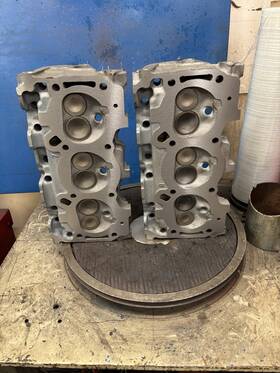
( Brand: Gm ), ( Manufacturer Part Number: 1262098 ), ( Type: Small Block Chevy ), ( Ipn: B-126098 ), ( Manufacturer Warranty: No Warranty ), ( Fitment Type: Direct Replacement ), ( Material: Cast Iron ), ( Country Of Origin: United States )
Review GM Buick 3.8l V6 231 Cylinder Heads Remanufactured fits 1978–1983
The **GM 1262098 Buick 3.8L V6 (231 CID) Cylinder Heads (1978 1983)** represent a critical and highly sought-after component for enthusiasts and restorers of classic Buick engines, particularly the iconic **Nailhead V6** series. These cylinder heads are meticulously engineered to deliver reliable performance while maintaining the timeless character of the 231 cubic-inch V6, which powered a range of Buick models from the late 1970s through the early 1980s, including the **Skylark, Electra, LeSabre, and Riviera**. Crafted from high-quality cast iron, these heads feature a robust design with **four-valve combustion chambers per cylinder**, optimized for efficient air-fuel mixture distribution and combustion. The **intake and exhaust ports** exhibit a smooth, aerodynamic contour, allowing for improved airflow and better scavenging of exhaust gases, which contributes to a more responsive and efficient engine. The **valve seats** are precision-machined to ensure a tight seal, reducing the risk of blow-by and maintaining compression integrity, while the **valve guides** are designed to accommodate the standard 1.50-inch intake and 1.40-inch exhaust valves, which are critical for maintaining proper valve-to-valve clearance and preventing premature wear. These heads also incorporate **integrated rocker arm studs**, providing a sturdy mounting point for the pushrod-operated rocker assemblies, which are essential for the precise operation of the engine s valve train. Over the years, these cylinder heads have earned a reputation for durability, though they are not without their quirks common issues include **warped decks, cracked combustion chambers, or worn valve guides**, which can be addressed through professional machining or replacement of critical components. For restoration projects, these heads are often paired with **high-performance camshafts, upgraded intake manifolds, or modern fuel injection systems** to unlock the full potential of the 3.8L V6, making them a cornerstone for those seeking to revive or enhance the power and reliability of their classic Buick. Whether sourced from a complete engine rebuild or as standalone parts for a custom build, these cylinder heads embody the blend of simplicity and sophistication that defines the Nailhead V6 legacy.
### **Pros and Cons of Buying a 1978-1983 GM 1262098 Buick 3.8L V6 (231 Cylinder Heads)**
#### **Pros**
1. **Reliability and Durability** The 3.8L V6 (231-series heads) is a well-built engine known for longevity, especially when maintained properly. Many examples easily exceed 200,000 miles with basic upkeep.
2. **Strong Performance for the Era** With proper tuning, these engines can produce **200 horsepower** with minimal modifications, making them capable of handling modern driving demands without excessive stress.
3. **Availability of Parts** As a classic GM V6, parts (including cylinder heads, valves, gaskets, and accessories) are widely available, though some aftermarket components may require sourcing from specialty suppliers.
4. **Modification Potential** The engine responds well to upgrades like **performance camshafts, headers, and fuel system improvements**, allowing for meaningful power gains without extreme modifications.
5. **Lower Running Costs Compared to Modern Engines** Fuel efficiency is modest (around **15-18 MPG** in a typical Buick), but the simplicity of the design means fewer high-cost failures compared to modern turbocharged or complex engines.
6. **Classic Buick Character** The 3.8L V6 was used in iconic models like the **Skylark, Century, and LeSabre**, offering a blend of vintage styling and solid drivetrain performance.
7. **Ease of Maintenance** Basic services (oil changes, valve adjustments, spark plugs) are straightforward, and many mechanics are familiar with the engine s quirks.
---
#### **Cons**
1. **Poor Fuel Economy** By modern standards, the 3.8L V6 is thirsty, especially in larger Buick models. Expect **15-18 MPG** in a typical application, which can be costly over time.
2. **Carbon Buildup and Valve Issues** The 231-series heads are prone to **carbon deposits** and **valve sticking**, particularly in high-mileage examples. Regular decarbonization or valve cleaning is often necessary.
3. **Timing Chain Wear** Some engines develop **timing chain stretch or slop**, leading to rough idle or timing issues. Replacement is a labor-intensive job but not uncommon.
4. **Distributor and Ignition Problems** Older Buicks often suffer from **distributor wear, vacuum advance failures, or coil issues**, requiring periodic ignition system checks.
5. **Transmission Wear** Many 1978-1983 Buicks came with **THM727 or THM727H transmissions**, which can develop **slippage or rough shifting** over time. A rebuild may be needed if neglected.
6. **Emissions Compliance** Later models (especially 1980 ) may require **EGR, PCV, and emissions system maintenance** to pass modern smog checks, adding to upkeep costs.
7. **Rust and Body Condition** Many Buicks from this era suffer from **frame rust, panel corrosion, and suspension wear**, especially in snowy or coastal climates.
8. **Limited Modern Tech Integration** Unlike newer vehicles, these cars lack **OBD-II diagnostics, modern electronics, or advanced safety features**, which can be a drawback for tech-savvy buyers.
---
### **Conclusion and Recommendation**
The **1978-1983 Buick 3.8L V6 (231 heads)** is a **solid, character-filled engine** that rewards owners with **reliability and modding potential** if properly maintained. It is best suited for buyers who:
- Enjoy **classic American muscle** with a focus on **driving enjoyment** over extreme efficiency.
- Are willing to **invest in regular maintenance** (valve adjustments, carbon cleaning, ignition checks).
- Prefer **mechanical simplicity** over modern convenience.
- Plan to **keep the car for the long term** rather than treating it as a short-term project.
**If you find a well-documented example with:****Under 150,000 miles** (or a rebuilt engine with service records)
**No major rust or frame issues**
**A reliable transmission** (preferably rebuilt)
**Properly maintained fuel and ignition systems**
then it can be an **excellent purchase** with **decades of service ahead**.
**However, if you:****Need high fuel economy or modern tech**
**Want a low-maintenance, hassle-free daily driver**
**Are unwilling to invest time in upkeep**
then a **modern used V6 or turbocharged engine** (e.g., a **LS-based or turbocharged 3.0L**) may be a better fit.
**Final Recommendation:**Buy the **1978-1983 Buick 3.8L V6** if you re a **mechanically inclined enthusiast** who appreciates **classic American power** and is prepared for **regular maintenance**. If you want **simplicity and efficiency**, consider a more modern alternative. **Test the engine thoroughly (check for compression, valve train noise, and timing chain condition) before purchasing.**
Details:
3 ANGLE CUTS ON VALVE SEATS. Reconditioned Cylinder Heads 1979-1983 Buick Regal V6 231.
part #: 1262098 prices
- $173.33-$595.00
specifications cylinderheapar:
- for makes: Buick
- for years: 1978-1983
- brand: Gm
- mpn: 1262098
- type: Small Block Chevy
- ipn: B-126098
- manufacturer warranty: No Warranty
- fitment type: Direct Replacement
- material: Cast Iron
- country of origin: United States
general cylinderheapar:
- Car Truck Parts Accessories > Engines Engine Parts > Cylinder Heads
- condition: Remanufactured
offer cylinderheapar:
- started: March 25, 2026
- best offers: True
- quantity: 2
- availability: In Stock
- sold: 0
- options: Ship-to-home
payments cylinderheapar:
- other
- money order
- cash
- credit card: Discover
- wallet: Google-pay
seller cylinderheapar:
- rating: 98.5%
- # reviews: 337
- city: Hammonton, New Jersey
returns cylinderheapar:
- policy: Returns Accepted
- paid by: Buyer
- time: 14 Days
shipping cylinderheapar:
- cost: $443.31
- service: FedEx Ground / FedEx Home Delivery
- type: Calculated
- transit: 5-10 Days
- carrier: FedEx
- class: Standard
Gm 1262098 Is Similar To:
- 10000187 General Motors Nos Gm Chevrolet Buick Oldsmobile Pontiac Engine Gasket (24.5% similar) You are buying on exactly what is pictured. Please also listings for thousands more nos parts available immediate purchase. Nos stripes, decals, electrical and mechanical parts important. When you homepage just enter the year, make and or model of your vehicle in search bar. These are very rare to ...(April 4th, 2018)
- 10008024 Gm Push Rod Guide Cyl Buick Olds Pontiac Chevy (29.3% similar) Has minor surface rust. Chevrolet Mona, Steinbeck star fire, sunbed, phoenix may fit other vehicles. 439HG6ZB644A1. Here is a list for possible fitment: applicable years many different variables go into vehicle applications engine size, transmission, model, brake system, wheel drive, etc. Note ...(June 28th, 2018)
- 10101140 Gm Chevy Pair Of Matching Numbers Cylinder Heads Oval Ports (38.2% similar) For sale is this pair of Gm matching numbers cylinder heads. Oval ports, some surface rust Gm 1 will work on chevy motors...(November 29th, 2018)
- 10118604 General Motors Nos Gm Chevrolet Buick Oldsmobile Pontiac Cadillac Head (27.2% similar) The part number is group. If you are out of the country please understand this while buying on item. Nos stripes, decals, electrical and mechanical parts important. Please also listings for thousands more nos parts available immediate purchase. When you homepage just enter the year, make and or ...(April 6th, 2018)
- 10149600 General Motors Nos Gm Chevrolet Gmc Truck Suv Diesel Cylinder (26.1% similar) 2j diesel V81990 1991 Chevrolet blazer and GMC jimmy model's with nos stripes, decals, electrical and mechanical parts important. This means if the item is lost or damaged while in transit there no coverage. I do guarantee them to be nos or as otherwise described in my offer. This is a new old ...(February 14th, 2019)
- 350 V8 Mercruiser 10239906 5.7 Cylinder Vortec Gm Head Omc (36.5% similar) Vortex 7 v8 used cylinder head good working condition...(March 31st, 2015)
- 11569648 Gm Cylinder Head Bolt Lot Of Chevy Buick Olds Pontiac (36.9% similar) God bless the USA and her troops. Sales and shipping within the USA only. The winning bidder will receive all 10 pieces. They're nos in the original packaging. I do not know any of the exact applications. Please visit my other offer offerings for more quality stuff. Offered is a believed to fit some...(January 2nd, 2019)
- 1190997 Gm 1961-1963 Buick Special (27.5% similar) 289 part to fit all buick special skylark model's with 215CI V8. You are looking at a pair of nos. These factory nos not aftermarket head gaskets are in excellent shape have never been installed...(September 25th, 2017)
- 1193743 Buick Skylark Special Nos Gm Alum Cylinder Head (42.3% similar) Buick skylark and special nos Gm 215 v8 alum cylinder head. Sorry-no valves or springs. Nice shape casting in Gm box. Fossick automotive products inc. Warning: cancer and reproductive harm...(March 15th, 2019)
- Head Lot 4 Oem Nos Bolts Cylinder 12338010 Gm (30.1% similar) Out of a local estate...(March 26th, 2015)
- 1234283 Buick Skylark Lesabre Nos Gm Cyl Head Rocker Shaft Set (43.1% similar) Fossick automotive products. Gm part: buick skylark, sport wagon, regal, Apollo and Sabre 350 nos v8 cyl head rocker shaft set...(March 21st, 2018)