TOYOTA 1110109074 Rear Cylinder Head 3.0L
fits model: Camry. make: Toyota. year: 1994–2003.
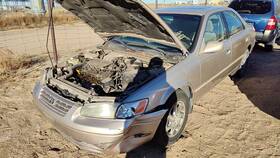
( Manufacturer Part Number: 1110109074 ), ( Part Type: Cylinder Head ), ( Id: 5440dbeb-3621-45f5-9310-afcaab5eea9e ), ( Interchange: 306-58975 ), ( Year: 1998 ), ( O.e. Part Number: 1110129410 ), ( Partout Id: A-127569640 )
Review TOYOTA Rear Cylinder Head Assembly Oem 3.0l fits CAMRY 1994–2003
The **Toyota 1110109074 cylinder head** is a precision-engineered component designed specifically for the **3.0-liter V6 engine** found in **1994 through 2003 Toyota Camry models**, particularly those equipped with the **2JZ-GE** or **2JZ-GTE** powerplants. This aftermarket or OEM replacement part is meticulously crafted to restore or enhance the performance and reliability of the engine s combustion system, ensuring optimal airflow, combustion efficiency, and thermal management. The cylinder head is forged from high-grade aluminum alloy, offering an ideal balance of lightweight construction and durability to withstand the high temperatures and pressures generated during operation. Its design incorporates **four valves per cylinder** (two intake and two exhaust) arranged in a **DOHC (Double Overhead Camshaft)** configuration, allowing for superior valve actuation and improved engine breathing. The head features **intake ports** that are carefully contoured to maximize airflow velocity, while the **exhaust ports** are optimized for efficient scavenging, reducing backpressure and enhancing exhaust gas expulsion. Critical components such as the **camshaft lobes, valve guides, and valve seats** are precision-machined to exacting tolerances, ensuring proper valve lift, lash adjustment, and sealing integrity. Additionally, the head is equipped with **integrated spark plug bosses** and **coolant passages**, facilitating efficient heat dissipation and reliable ignition performance. Whether used for **restoration projects, high-performance modifications, or routine maintenance**, this cylinder head is engineered to meet or exceed factory specifications, providing a seamless fit for the **3.0L V6 Camry engine** while supporting enhanced power delivery and longevity. For optimal results, pairing it with compatible **valvetrain components, gaskets, and cooling systems** is recommended to ensure peak performance and prevent premature wear.
### **Pros and Cons of Buying a 1994-2003 Toyota Camry (1110109074) 3.0L V6 with a Replaced Rear Cylinder Head**
#### **Pros:**1. **Reliability of the Toyota Platform** The Toyota Camry, especially the 4th and 5th generations (1994-2003), is known for its solid chassis, durable suspension, and generally dependable drivetrain. Toyota s reputation for longevity in basic models remains strong.
2. **3.0L V6 Engine Strength** The 3.0L V6 (2JZ-GE in some markets) is a well-regarded engine known for its smooth operation, good power output ( 160-170 hp), and durability when properly maintained. The 2JZ variant, in particular, is highly sought after in tuning circles and can last well beyond 200,000 miles with care.
3. **Rear Cylinder Head Replacement** The fact that the rear cylinder head has been replaced suggests the seller has addressed a known issue. The rear head on some 3.0L V6 engines (especially pre-1998 models) can develop leaks or cracks over time due to stress or poor maintenance. A replacement indicates proactive care, though the quality of the replacement parts and workmanship should still be verified.
4. **Availability of Parts and Service Support** Toyota s legacy models still have a strong aftermarket presence, with widely available parts, manuals, and service resources. This makes repairs and maintenance more accessible compared to rare or discontinued vehicles.
5. **Comfortable and Practical Design** The Camry of this era offers a spacious interior, good visibility, and a comfortable ride, making it suitable for daily driving. The 3.0L V6 provides adequate power for highway cruising and towing light loads.
6. **Potential for Modifications** The 3.0L V6 (especially the 2JZ variant) is highly tunable, with aftermarket support for upgrades like intake/exhaust, turbocharging, or engine swaps into other platforms. This could add long-term value if the buyer plans modifications.
7. **Lower Operating Costs Compared to Modern Vehicles** Fuel efficiency (around 18-22 MPG combined) and lower insurance costs compared to newer cars make it a cost-effective choice for budget-conscious buyers.
---
#### **Cons:**1. **Age and Wear** At 20 years old, the vehicle will likely have significant mileage (assuming it s been well-maintained). Common wear items like brakes, suspension components, timing belt, and seals will need eventual replacement. Rust, especially in snowy or coastal climates, can also be a concern.
2. **Potential Hidden Issues** While the rear cylinder head has been replaced, other components may have been neglected. Key areas to investigate include:
- **Timing Belt and Water Pump** These should be replaced as a set every 60,000 100,000 miles to prevent catastrophic engine failure.
- **Valvetrain** Lifters, pushrods, and valves can wear out, leading to ticking noises or reduced performance.
- **Transmission** The 4-speed automatic (common in this era) can develop slipping or rough shifting over time. A manual transmission may be more reliable but less common.
- **Fuel System** Carbon buildup in the intake valves and a clogged fuel filter can reduce performance. A fuel system cleaning may be needed.
- **Electrical Issues** Older Toyotas can suffer from failing sensors, wiring harness problems, or alternator failures.
3. **Emissions and Compliance** Depending on the region, older vehicles may not meet current emissions standards, which could complicate registration or insurance. Some areas require smog checks or restrict high-mileage imports.
4. **Resale Value** While not a dealbreaker, the resale value of a 20-year-old Camry will be low compared to newer cars. If the buyer plans to keep it long-term, this may not matter, but it s worth noting.
5. **Maintenance Costs** While parts are affordable, labor costs can add up, especially if the vehicle requires specialized work (e.g., engine rebuilds, transmission overhauls). DIYers may save money, but inexperienced buyers could face unexpected expenses.
6. **Safety Standards** Modern safety features (airbags, stability control, advanced crash structures) are absent. While the Camry is structurally sound, newer safety tech could be a concern for some buyers.
7. **Fuel Economy Limitations** The 3.0L V6 is thirstier than modern turbocharged or hybrid alternatives. MPG will be lower than a contemporary Camry, which could impact long-term ownership costs.
---
### **Ending Conclusion:**Buying a **1994-2003 Toyota Camry 3.0L V6 with a replaced rear cylinder head** can be a **great choice for the right buyer**. It offers a **reliable, powerful, and modifiable** platform with a strong aftermarket support system. The replacement of the rear cylinder head is a positive sign, but **thorough inspection** of the engine, transmission, suspension, and electrical systems is critical before purchase.
This vehicle is **ideal for:**- Buyers who prioritize **durability, mod potential, and cost-effectiveness** over cutting-edge technology.
- Those who plan to **maintain it well** and may even enjoy working on it.
- Drivers who need a **comfortable, spacious car** for daily use or light towing.
However, it is **not ideal for:**- Buyers who want **modern safety features, fuel efficiency, or low maintenance**.
- Those who cannot afford **unexpected repairs** or prefer a "plug-and-play" vehicle.
- People who dislike **older driving dynamics** (e.g., manual transmissions, less refined electronics).
---
### **Recommendation:**1. **Get a Pre-Purchase Inspection (PPI)** Hire a mechanic experienced with Toyota V6 engines to thoroughly inspect the engine, transmission, suspension, and electrical systems. Focus on:
- **Timing belt and water pump condition** (if not recently replaced).
- **Compression and leak-down tests** to ensure the rear head replacement was done correctly.
- **Transmission fluid condition** and shift smoothness.
- **Suspension and steering components** for wear or rust.
- **Electrical system** for failing sensors or wiring issues.
2. **Verify Maintenance Records** Ask for proof of:- Regular oil changes (synthetic oil recommended).
- Timing belt/water pump replacements (if not done, budget for it).
- Spark plug, fuel filter, and air filter replacements.
- Any prior engine or transmission work.
3. **Test Drive Thoroughly** Listen for:- **Knocking or ticking noises** (could indicate lifter or valve issues).
- **Unusual vibrations** (could signal balance or suspension problems).
- **Transmission slippage or hesitation** (common in older automatics).
- **Check for oil leaks** under the vehicle.
4. **Negotiate Based on Findings** If the PPI reveals issues, use them to **lower the price** or require repairs before purchase. Avoid buying a "project car" unless you re prepared for significant upfront costs.
5. **Consider a Lower-Mileage Example** If possible, prioritize a Camry with **under 150,000 miles** and **well-documented maintenance**. The 1998 2003 models (especially with the 2JZ engine) are often the most desirable.
6. **Budget for Upcoming Repairs** Even with a replaced rear head, plan for:- **Timing belt/water pump replacement** ( $500 $800).
- **Suspension refresh** (shocks, bushings, ball joints).
- **Fuel system cleaning** ( $100 $200).
- **Minor electrical upgrades** (relays, sensors).
---
### **Final Verdict:** **Buy if:**- You re an **informed buyer** who can afford maintenance.
- You want a **reliable, fun-to-drive V6** with mod potential.
- You re okay with **older tech** in exchange for durability.
**Avoid if:**- You want a **low-maintenance, modern vehicle**.
- You re **unprepared for unexpected repairs**.
- You prioritize **fuel efficiency or safety features** over legacy engineering.
For the right buyer, this Camry can be a **fantastic long-term investment** but only if purchased wisely and maintained properly.
Details:
TOYOTA CAMRY 03 6 cylinder 1MZFE engine, thru 12/02, rear RH. TOYOTA CAMRY 97-02 6 cylinder, rear RH. Search for more parts TOYOTA CAMRY. TOYOTA CAMRY 94-96 6 cylinder 1MZFE engine, rear RH.
part #: 1110109074 prices
- $229.85-$451.15
specifications cylinderheapar:
- for models: Camry
- for makes: Toyota
- for years: 1994-2003
- mpn: 1110109074
- part type: Cylinder Head
- id: 5440dbeb-3621-45f5-9310-afcaab5eea9e
- interchange: 306-58975
- year: 1998
- o.e. part number: 1110129410
- partout id: A-127569640
offer cylinderheapar:
- started: May 13, 2026
- quantity: 1
- availability: In Stock
- options: Ship-to-home
- sold: 0
returns cylinderheapar:
- time: 30 Days
- paid by: Seller
- policy: Returns Accepted
shipping cylinderheapar:
- transit: 3-6 Days
- type: Fixed
- class: Standard
- service: Standard
- cost: $0.00
payments cylinderheapar:
- other
- credit card: Mastercard
- wallet: Apple-pay
seller cylinderheapar:
- city: Brush, Colorado
- rating: 99.6%
- # reviews: 16514
general cylinderheapar:
- condition: Used
- Car Truck Parts Accessories > Engines Engine Parts > Cylinder Heads
Toyota 1110109074 Is Similar To:
- 032-3012 Beck Arnley For Toyota Camry Cylinder Head Gasket 049797818504 (44% similar) Beginning with motorcycle parts in 1914 and transitioning to import vehicles the 1950 , brand understands deliver oe quality that matches what was originally on vehicle. Notes: head bolt replacement recommended bolts not included features: includes all needed gaskets and sealing components required ...(August 17th, 2018)
- 1110128012 Toyota Rebuilt Engine Cylinder Head Oem (45% similar) Measured connecting rod: inspected, cleaned, lightly honed, measured, meets standard measurements. Cylinders are oval needs to be bored. Buyer will receive item as picture. Crankshafts are within standard measurements will take bearings. Honed bare block: inspected, measured, honed, decked, hot ...(June 14th, 2018)
- 26158pt-1 For Toyota Corolla Improved Design Cylinder Head Gasket 614046672376 (40.5% similar) Improved design cylinder head gasket 26158PT-1 by feel-pro. Engineered using the latest technologies and global engineering resources, gaskets meet specific oem needs provide superior sealing performance durability needed to withstand unique characteristics of application...(July 15th, 2018)
- 2830 Replace For Toyota Supra Remanufactured Complete Cylinder Head 653517035098 (40% similar) And wait till you get the bill. Each head is manga-fluxed or dye checked for cracks and all guides are replaced, never knurled, to restore valve stem-to-guide clearance. All valve springs are tested for pressure and replaced as necessary. Skilled technicians start by completely disassembling, ...(May 8th, 2018)
- 2847 Replace For Toyota Camry Driver Side Remanufactured Cylinder 653517032622 (39.2% similar) Driver side remanufactured cylinder head by replace. Valve spring installed height is checked and set to specification. For less money and downtime you can get cylinder heads that are completely reconditioned, not just repaired, from replace. If your vehicle has a cylinder head problem, dont waste...(May 9th, 2018)
- 2866a Replace For Toyota Prius Remanufactured Complete Cylinder Head 653517265167 (38.4% similar) If your vehicle has a cylinder head problem, don't waste time and money having originals repaired. Skilled technicians start by completely disassembling, thoroughly cleaning, and carefully inspecting each cylinder head. Valve spring installed height is checked and set to specification. All valve ...(July 11th, 2018)
- 2899 Replace For Toyota Tacoma Remanufactured Complete Cylinder Head 653517033193 (41.1% similar) If your vehicle has a cylinder head problem, dont waste time and money having originals repaired. Replace cylinder heads are completely machined, inspected and ready to install, backed by a 12-MONTH 12,000 mile warranty. Skilled technicians start by completely disassembling, thoroughly cleaning, and...(July 5th, 2018)
- 54536 Victor Reinz For Toyota Camry Cylinder Head Gasket 027067702203 (44.6% similar) Driver side oem standard multi-layered steel cylinder head gasket by victor rein. The development goals in engine construction determine requirements of modern gasket systems. In fact, many of manufacturers are suppliers to the vehicle manufacturers, so parts you get from company may be same as ones...(January 5th, 2019)
- 54777 Victor Reinz For Toyota Tundra Cylinder Head Gasket 027067865519 (40% similar) It carries everything from gaskets and seals to repair oil leaks, engine control system sensors make that dash light go out, parts like camshafts timing chains for major repairs. In fact, many of manufacturers are suppliers to the vehicle manufacturers, so parts you get from company may be same as ...(January 3rd, 2019)
- 81013400 Ajusa For Toyota Tacoma Cylinder Head Bolt (43% similar) Part: 1995 -2017 prices...(November 14th, 2018)
- 81026700 Ajusa For Toyota Corolla Cylinder Head Bolt (42.6% similar) Part: 1998 -2008 prices...(November 14th, 2018)