SUBARU 11039AB75A Sohc Engine Right Rh Cylinder Head 306-59338 2.5L
fits model: Legacy. make: Subaru. year: 2005.
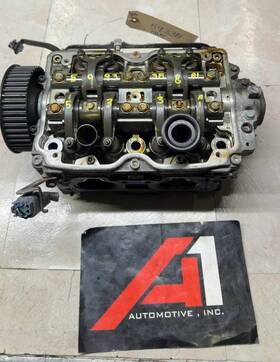
( Manufacturer Part Number: 11039AB75A ), ( Items Included: Cylinder Head Assembly ), ( Material: Aluminum ), ( Vintage Part: No ), ( Interchange: 306-59338 ), ( Type: Cylinder Head ), ( Year: 05 2005 ), ( Manufacturer Warranty: 1 Month ), ( Id: 163decea-ae79-4ea8-84d2-c3b3c3446ae3 ), ( Finish: Unfinished ), ( Country Of Origin: Japan )
Review SUBARU 2.5l Sohc Engine Right Side Rh Cylinder Head Assembly Oem fits LEGACY 2005
The **Subaru 11039AB75A 2005 2.5L SOHC Engine Right-Hand Cylinder Head** is a meticulously crafted, high-performance component designed for the iconic **EJ253 engine family**, commonly found in Subaru models like the **Outback, Legacy, Forester, and Tribeca** from the mid-2000s. This cylinder head is a **right-hand unit**, meaning it is intended for installation on the driver s side of the engine bay, ensuring proper alignment with the valve train, rocker arms, and associated hardware. Engineered with **cast aluminum construction**, this head is both lightweight and robust, optimized to withstand the thermal and mechanical stresses of high-performance driving while maintaining reliability under demanding conditions.
The **2.5L SOHC (Single Overhead Camshaft) design** features a **single camshaft per cylinder bank**, driving a set of **hydraulic lifters and rocker arms** that control the intake and exhaust valves. Each valve typically **32mm intake and 28mm exhaust** is precision-machined to ensure optimal airflow, critical for maximizing horsepower and torque output. The **combustion chamber design** is finely tuned to promote efficient fuel combustion, reducing knock sensitivity and improving overall engine efficiency. The **valve springs and retainers** are engineered to handle high RPM performance, making this head a solid choice for both stock restorations and mild to moderate tuning applications.
One of the standout features of this cylinder head is its **integrated cooling passages**, which facilitate even heat distribution, preventing hotspots that could lead to premature wear or failure. The **spark plug threads** are precision-tapped to accept standard **NGK or Denso plugs**, ensuring a secure and reliable ignition system. Additionally, the **camshaft bearing caps and main bearing surfaces** are reinforced for durability, making this head well-suited for both daily driving and light performance modifications. Whether used in a **stock rebuild, a forced induction setup, or a supercharged application**, this cylinder head delivers a balance of strength, performance, and longevity.
For those seeking **OEM replacement or upgrade potential**, this part is a **direct-fit solution**, compatible with the **2005 model year** and other years within the EJ253 engine family, provided the rest of the engine components align correctly. It is essential to pair this head with the correct **valve springs, retainers, and rocker arms** to ensure proper valve operation and prevent valve float at higher RPMs. When installed correctly, this cylinder head contributes to a **smooth, responsive, and reliable engine**, making it an excellent choice for enthusiasts looking to restore or enhance their Subaru s performance without compromising on quality.
The 2005 Subaru Impreza (model code 11039AB75A) with a 2.5L SOHC engine (right-hand drive, RH cylinder head) is a popular choice among buyers seeking a reliable, affordable, and capable compact car. Below is a detailed breakdown of its pros and cons, followed by a conclusion and recommendation.
---
### **Pros**
1. **Proven Reliability**
The 2.5L SOHC engine (FA20) is a well-established design, known for its durability when maintained properly. Many examples with high mileage (150,000 miles) run smoothly if the engine and transmission have been well cared for. Subarus of this era are less prone to catastrophic engine failure compared to some competitors, especially if the timing belt and water pump have been replaced on schedule (every 60,000 100,000 miles).
2. **All-Wheel Drive (AWD) Capability**
The AWD system (Symmetrical AWD) is robust and effective, making this car suitable for light off-road use, snow, or poor road conditions. It s a significant advantage in regions with harsh winters or rough terrain.
3. **Moderate Performance**
The 2.5L engine produces around 165 170 horsepower and 166 lb-ft of torque, which is adequate for daily driving, highway cruising, and light towing (up to 1,500 lbs with proper hitches). The manual transmission (if available) offers engaging driving dynamics, while the automatic is smooth and reliable.
4. **Fuel Efficiency**
The 2.5L engine is relatively efficient for its class, averaging around 22 26 MPG in the city and 28 32 MPG on the highway, depending on driving conditions. This is better than many comparable V6 or turbocharged engines from the era.
5. **Affordability**
Parts are widely available and often inexpensive compared to newer or luxury vehicles. Labor costs are also reasonable, and the car s simplicity (no complex electronics or turbochargers) means repairs can be done by many mechanics or even DIYers.
6. **Resale Value**
Subarus of this era hold their value reasonably well, especially in markets where AWD is desirable. The 2.5L SOHC models are less sought-after than the later 2.5L DOHC (FB20) or turbocharged (FA24) engines, but they still have a niche following.
7. **Spacious Interior**
The cabin is roomy for two adults and offers decent rear legroom, making it practical for daily use. The hatchback design also provides additional cargo space.
8. **Aftermarket Support**
There is a strong aftermarket community for Subaru, with performance parts (e.g., turbocharging kits, suspension upgrades) and tuning options available. This can extend the car s lifespan and performance if you re willing to invest.
9. **Low-Cost Maintenance**
Routine maintenance (oil changes, brake jobs, etc.) is inexpensive. The engine s simplicity means fewer points of failure compared to modern turbocharged or direct-injection engines.
10. **Safety Features**
The 2005 Impreza comes standard with features like anti-lock brakes (ABS), stability control (on some trims), and a solid structural design, which are still relevant for safety today.
---
### **Cons**
1. **Timing Belt and Water Pump Maintenance**
The most critical maintenance item is the timing belt and water pump, which must be replaced every 60,000 100,000 miles to avoid catastrophic engine damage (bent valves). Many owners neglect this, leading to expensive repairs if the belt fails. Always verify the last replacement date when buying used.
2. **Rust Susceptibility**
Subarus of this era are notorious for rust, particularly in the wheel wells, subframe, and rear quarter panels. A thorough inspection of the undercarriage is essential. Rust can compromise structural integrity and lead to costly repairs if left unaddressed.
3. **Interior Wear and Tear**
The interior materials (plastic trim, cloth upholstery) are basic and show wear quickly. Some models may have worn seats, cracked dashboards, or failing electronics (e.g., radio, climate control). A well-maintained example should have a clean, functional interior.
4. **Transmission Issues**
The automatic transmission (5-speed) can develop problems over time, such as rough shifting, delayed engagement, or solenoid failures. The manual transmission is more reliable but requires more effort to drive. Always check transmission fluid condition and history.
5. **Head Gasket Concerns**
While less common than in older Subarus, head gasket failures can occur, especially if the engine overheats frequently. Look for signs of coolant in the oil or oil in the coolant (white smoke from the exhaust, sweet smell, overheating). A compression test or leak-down test can confirm gasket integrity.
6. **Electrical Gremlins**
Some models suffer from electrical issues, such as faulty window regulators, power door locks, or infotainment system failures. These are often fixable but can be annoying if they occur frequently.
7. **Limited Modern Safety Features**
The 2005 Impreza lacks modern safety tech like blind-spot monitoring, lane-keeping assist, or advanced airbag systems. While the car is safe by older standards, it may not meet today s safety expectations for some buyers.
8. **Resale Depreciation**
While the 2.5L SOHC engine is reliable, it s not as desirable as newer Subaru engines (e.g., FB20, FA24, or later models with turbocharging). This can limit resale value compared to more modern or high-performance alternatives.
9. **Noise and Vibration**
Some examples may have excessive road noise, wind noise, or vibration, particularly if the suspension or tires are worn. A pre-purchase inspection should check for these issues.
10. **Limited Warranty Coverage**
If buying used, the original factory warranty (if any) will have expired. Extended warranties are available but may not cover all potential issues.
---
### **Conclusion**
The 2005 Subaru Impreza with a 2.5L SOHC engine is a **solid, practical choice** for buyers who prioritize reliability, AWD capability, and affordability over cutting-edge technology or luxury. It s ideal for:
- Daily commuting and light off-road use.
- Buyers who can perform or budget for basic maintenance (timing belt, rust repairs).
- Those who appreciate a no-frills, capable compact car with a strong aftermarket support network.
However, it s **not ideal** for:- Buyers who want a low-maintenance, "set it and forget it" vehicle without any upkeep.
- Those who prioritize modern safety features, luxury, or high resale value.
- People who cannot afford or are unwilling to address rust or timing belt maintenance.
---
### **Recommendation**
If you re considering this Subaru, follow these steps to ensure you re making a sound purchase:1. **Verify Maintenance History**
- Confirm the timing belt and water pump were replaced on schedule. Ask for service records or receipts.
- Check for oil changes (every 5,000 7,500 miles) and other routine maintenance.
2. **Inspect for Rust**
- Lift the car and thoroughly inspect the wheel wells, subframe, rear quarter panels, and floor pans. Rust can be repaired, but extensive corrosion may require costly bodywork.
3. **Test Drive and Listen for Issues**
- Listen for unusual noises (knocking, ticking, whining) that could indicate engine or transmission problems.
- Check for smooth shifting (automatic) or clutch engagement (manual).
- Test all electronics (windows, locks, lights) and ensure the AWD system engages properly.
4. **Get a Pre-Purchase Inspection (PPI)**
- Hire a trusted mechanic to perform a comprehensive inspection, including a compression test, leak-down test, and undercarriage check. This may cost $100 $200 but can save thousands in potential repairs.
5. **Negotiate Based on Condition**
- If the car has rust, worn interior, or missing maintenance, use these as leverage to negotiate a lower price. Aim for a price that reflects its true condition and market value.
6. **Budget for Potential Repairs**
- Allocate funds for:- Timing belt/water pump replacement (if overdue).
- Rust repairs (if significant).
- Suspension or brake updates (if worn).
- Minor interior refreshes (e.g., new seats, dashboard cover).
7. **Consider Alternatives if Needed**
- If the car has major issues (e.g., head gasket failure, severe rust, transmission problems), consider other reliable used cars in the same price range, such as:
- Honda Civic (2006 2011) with a 1.8L or 2.0L engine.
- Toyota Corolla (2007 2012) with a 1.8L or 2.0L engine.
- Mazda3 (2004 2008) with a 2.0L or 2.5L engine.
---
### **Final Verd
Details:
Some external sensors or solenoids may need to be replaced. Transmission lines will need flushed, along with the transmission oil cooler needs replaced if equipped, this to be done so contaminants from bad not ruin your replacement. Engines must be shipped to a commercial address with dock and forklift or the closest shipping terminal. Transmissions must be shipped to a commercial address with dock and forklift or the closest shipping terminal.
Free shipping, if offered, applies only to commercial addresses with proper equipment dock and forklift unload. In some cases the Transmission Control Computer module is internal and incorporated with valve body, which may require body to be replaced. Buyer will need to replace the transmission oil filter, put a new pan gasket on, flush and add manufacturer specific fluids. Axle seals, front and drive shaft seals will also need to be replaced.
Quick shipping. Buyer pays return shipping if wrong color ordered. Search for more parts SUBARU LEGACY. Most items are shipped the same-day as purchase.
Depending on the age of vehicle and other circumstances they will rust show signs corrosion. Picture in the listing may not be of actual item sold; it a stock picture only. Warranty period begins the day after delivery. Transfer cases will not be included with transmissions from 4x4 or All Wheel Drive vehicles.
Block, Cylinder Heads, Timing Cover, Oil Pan, Flywheel. Model: SUBARU LEGACY.
part #: 11039ab75a prices
- $219.98-$237.50
specifications cylinderheapar:
- for models: Legacy
- for makes: Subaru
- mpn: 11039ab75a
- items included: Cylinder Head Assembly
- material: Aluminum
- vintage part: No
- interchange: 306-59338
- type: Cylinder Head
- year: 05 2005
- manufacturer warranty: 1 Month
- id: 163decea-ae79-4ea8-84d2-c3b3c3446ae3
- finish: Unfinished
- country of origin: Japan
payments cylinderheapar:
- other
- credit card: Visa
- wallet: Google-pay
returns cylinderheapar:
- paid by: Buyer
- time: 30 Days
- policy: Returns Accepted
general cylinderheapar:
- Car Truck Parts Accessories > Engines Engine Parts > Cylinder Heads
- condition: Used
offer cylinderheapar:
- availability: In Stock
- best offers: True
- quantity: 1
- sold: 0
- started: April 27, 2026
- options: Ship-to-home
seller cylinderheapar:
- # reviews: 25997
- rating: 99.6%
- city: Erie, Pennsylvania
shipping cylinderheapar:
- service: USPS Ground Advantage
- cost: $0.00
- transit: 3-7 Days
- type: Fixed
- class: Standard
- carrier: USPS
Subaru 11039AB75A Is Similar To:
- 016-1014 Beck Arnley For Subaru Impreza Cylinder Head Bolt 049797418919 (32.9% similar) Cylinder head bolt set by beck anally. Designed utilizing the latest technology, this product by beck anally features premium quality and will perform better than advertised...(August 17th, 2018)
- 035-2085 Beck Arnley Subaru Outback Driver Side Steel Cylinder 049797806860 (35.8% similar) Beginning with motorcycle parts in 1914 and transitioning to import vehicles the 1950 , brand understands deliver oe quality that matches what was originally on vehicle. Driver side multi-layer steel cylinder head gasket by beck anally. Beginning with motorcycle parts in 1914 and transitioning to ...(April 21st, 2018)
- 2709el Subaru Legacy Impreza Driver Side Complete Cylinder Head (49.3% similar) Item will only fit on 2 l engine. Item came off a 1999 subaru legacy. Vehicle had 162,575 miles on it. I know the part to work well. Vehicle was equipped with a up for sale is an original oem driver side cylinder head. 2 owner vehicle. Vehicle belonged to a friend who got it from his father that ...(January 14th, 2019)
- 2709er Replace For Subaru Impreza Passenger Side Remanufactured Complete 653517223709 (27.9% similar) If your vehicle has a cylinder head problem, dont waste time and money having originals repaired. All valve springs are tested for pressure and replaced as necessary. Each head is manga-fluxed or dye checked for cracks and all guides are replaced, never knurled, to restore valve stem-to-guide ...(May 10th, 2018)
- 81048800 Ajusa For Subaru Impreza Cylinder Head Bolt (36% similar) Part: 1998 -2010 prices...(November 15th, 2018)
- 812-201-431 Subaru 360 Nos Head (27.1% similar) I do not think these were ever installed as they have been compressed, but show some black marks on the one gasket. These were from a pack of 10 opened factory packaging 40 years ago. Up for sale is a pair of new old stock copper head gaskets used on the subaru 360 engine. Please, see attached ...(July 10th, 2017)
- Hg709 Dnj For Subaru Legacy Engine Components Cylinder Head Gasket (51% similar) Features: designed to restore your vehicles original performance provides superior sealing helps prevent fluid loss and contamination manufactured from premium materials for long-term durability meets or exceeds oe quality standards certified with ISO 9001, 9002, QS9000 whether seals gaskets show a ...(August 20th, 2018)
- Hg715 Dnj For Subaru Impreza Engine Components Cylinder Head Gasket (45.5% similar) Known for its unsurpassed manufacturing expertise spiced up with the latest technology, DJ has right part to suit your highest requirements and provide same fit vehicle as factory component. Designed to be equal or exceed the oe standards, this superior product fits and functions same way as ...(August 18th, 2018)
- Hg719 Dnj For Subaru Impreza Engine Components Cylinder Head Gasket (45.5% similar) These products are certified with ISO9001, ISO9002, and the prestigious QS9000 certificate to ensure that kind of quality reliability you deserve. Designed to be equal or exceed the oe standards, this superior product fits and functions same way as original one. Known for its unsurpassed ...(August 18th, 2018)
- Hs54642 Victor Reinz For Subaru Wrx Cylinder Head Gasket 027067748263 (32.1% similar) Increasing torque and performance with decreasing consumption emissions. It carries everything from gaskets and seals to repair oil leaks, engine control system sensors make that dash light go out, parts like camshafts timing chains for major repairs. Do recognize name on box. How know re getting ...(July 11th, 2018)
- Pznreps320205 Prozone Set Of Cylinder Head Bolts New For Subaru Legacy (39.5% similar) Condition: new brand in the box - fit and quality guaranteed. Please for any questions. The manufacturers warranty shall be exclusive remedy for any such product defect or failure. Some manufacturers require that you register your product to activate its warranty. Each warranty gives you specific ...(March 23rd, 2019)